Winter Botanical Supply Chains
Tracing the logistical frameworks that historically enabled the transport and preservation of agricultural botanicals across global winter trade routes. From bark harvesting operations in Southeast Asia to structural cellular thermodynamics in Northern European earth-shelters, we document the supply mechanisms underlying traditional winter victualing.
Ingredient Origins
Cinnamomum verum & Cassia
The harvesting and maritime transit of inner tree bark required precise logistical coordination. Harvesting protocols in Sri Lanka historically aligned with monsoon patterns, dictating the shipping windows for European winter markets.
Analyze Cinnamon Sourcing →Citrus aurantium Corridors
Bitter oranges required desiccation or salt-curing prior to loading into naval vessels. We examine the chemical degradation of the pericarp during the transit across historical Mediterranean trade corridors.
Review Citrus Routes →Preservation Methods
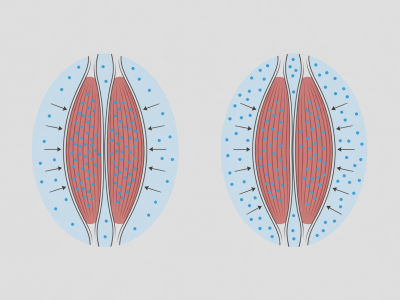
Chemical Protein Preservation
The application of sodium chloride and potassium nitrate induced cellular osmosis, halting putrefaction during long winter months prior to modern refrigeration infrastructure.
Examine Protocol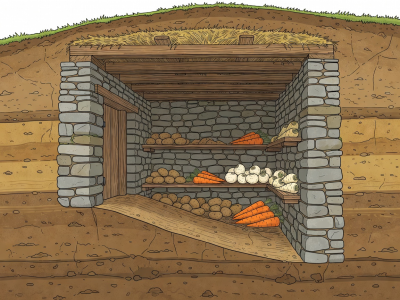
Root Storage Thermodynamics
Engineering parameters of subterranean storage facilities maintained specific humidity thresholds, suppressing the metabolic respiration rates of agricultural tubers.
Examine EngineeringSpice Formulation Calculator
Utilize this offline calculator to generate a baseline botanical supply ratio based on classical winter provisioning weights. Data is processed locally and formatted for clipboard extraction.