Agricultural Origins of Traditional Mulling Spices
Cellular Osmosis in Protein Stabilization
Prior to the deployment of mechanical refrigeration infrastructure in the late 19th century, the logistical supply of protein through the winter months relied entirely on chemical and physical alteration of muscle tissue. The most critical operational mechanism in this logistical chain was the application of sodium chloride (salt) to induce cellular osmosis.
When high concentrations of sodium chloride are applied to the exterior of slaughtered muscle tissue, a steep osmotic gradient is established. Intracellular fluid, which normally provides an optimal breeding environment for putrefactive bacteria, is drawn out of the cells across the semi-permeable cell membranes. Simultaneously, chloride and sodium ions diffuse into the tissue, effectively lowering the water activity (Aw) of the meat to levels beneath the threshold required for the proliferation of most pathogens, notably Clostridium botulinum.
The Role of Potassium Nitrate
While sodium chloride effectively halted decomposition, it often left the protein gray, desiccated, and highly oxidized. To mitigate this and ensure long-term stability in naval and terrestrial supply chains, curers incorporated potassium nitrate, historically known as saltpeter.
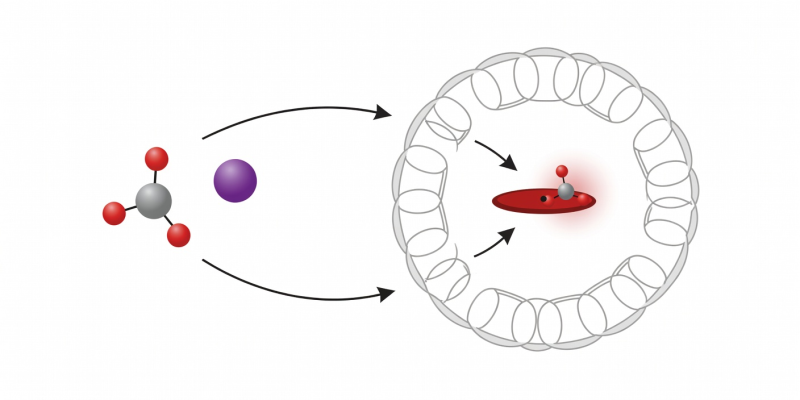
The logistical value of potassium nitrate lay in its chemical reduction. Within the meat matrix, naturally occurring halophilic bacteria reduced the nitrate (NO3) to nitrite (NO2). This nitrite subsequently broke down into nitric oxide, which bonded directly with the iron atom in myoglobin, the primary oxygen-carrying protein in muscle tissue. This reaction formed nitrosylhemochrome, a stable compound that fixed the tissue in a rigid, chemically altered state characterized by a deep pink or red coloration, highly resistant to lipid oxidation during extended storage.
Historical Timelines and Mass Slaughter Logistics
The synchronization of agricultural output with seasonal climate shifts was absolute. In Northern European logistics, the period coinciding with mid-November (historically marked as Martinmas) served as the primary processing window. The onset of near-freezing ambient temperatures naturally suppressed bacterial growth during the initial butchering and bleeding phases, providing the necessary operational window to execute the chemical curing process before decomposition could begin.
| Protein Source | Curing Agent Ratio | Packaging Specification | Expected Shelf Life |
|---|---|---|---|
| Bovine (Beef) | 4 lbs salt / 2 oz saltpeter per 100 lbs | Oak casks, heavy brine | 18 - 24 Months |
| Porcine (Pork) | 3 lbs salt / 1.5 oz saltpeter per 100 lbs | Oak casks, dry packed | 12 - 18 Months |
| Marine (Cod) | Complete desiccation + salt | Stacked flat, dry hold | 24+ Months |
The resulting supply chain converted massive, highly perishable biological assets into standardized, stackable, and chemically stable commodities. These preserved proteins constituted the dense caloric foundation necessary for overland winter travel, sustained military campaigns, and global maritime exploration, driving the demand for the botanical spices (clove, pepper, mustard) utilized to mask the heavy saline concentrations prior to consumption.