Agricultural Origins of Traditional Mulling Spices
Transmission of Citrus aurantium
The integration of citrus into winter supply lines represents a significant logistical achievement in agricultural history. The bitter orange, Citrus aurantium, originated in Southeast Asia and progressively moved westward. Its cultivation in the Mediterranean basin, heavily expanded during the Moorish agricultural occupation of the Iberian Peninsula, established the primary sourcing locations for Northern European winter markets.
Unlike standard provisions, fresh citrus presented severe logistical challenges due to its high moisture content and susceptibility to rapid pathogenic degradation, primarily by molds such as Penicillium digitatum. Moving these biological assets from ports in Seville or Genoa to naval victualing boards in London or Amsterdam required precise timing, specialized packaging, and controlled ventilation.
Structural Desiccation Techniques
To mitigate the risk of cargo loss, a substantial portion of the citrus trade relied on processing the agricultural product prior to maritime loading. The pericarp of the citrus fruit consists of two distinct layers: the flavedo (the outer, pigmented layer containing volatile oil glands) and the albedo (the inner, white, spongy layer). The economic value resided almost entirely in the flavedo.
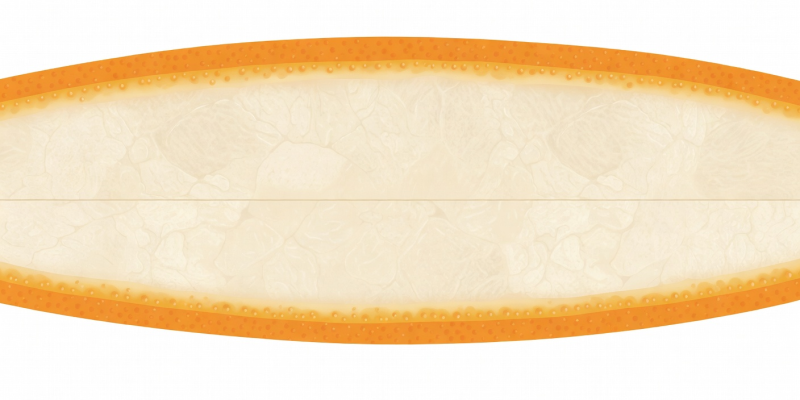
Laborers mechanically separated the peel from the endocarp. The peel was then subjected to intense solar desiccation or low-temperature kiln drying. This structural desiccation halted cellular respiration and reduced the moisture content below the critical threshold required for fungal proliferation. Once dried, the physical mass and volume of the cargo were drastically reduced, optimizing the freight density for the voyage north.
Naval Transit and Packing Specifications
For fresh citrus shipments, which commanded premium valuations, packing specifications were rigorous. Fruits were individually isolated to prevent physical damage and cross-contamination of pathogens. This was achieved by wrapping individual oranges in thin, dry paper or by packing them within layers of dry cork dust, sawdust, or clean sand. These packing matrices served a dual function: they acted as mechanical shock absorbers against the pitch and roll of the vessel, and they absorbed ambient condensation within the cargo hold.
Ventilation within the ship's hold was a critical engineering parameter. Trapped ethylene gas, naturally respired by the fruit, would rapidly accelerate the maturation and subsequent senescence of the entire cargo if not adequately vented. Ship captains balancing the need to keep cargo holds dry from seawater intrusion against the necessity of air exchange faced constant operational calculations.
Chemical Utility in Winter Provisioning
The demand for winter citrus was driven by both culinary and physiological requirements. The high concentration of citric acid and volatile essential oils provided necessary acidic balance to heavily preserved, salt-cured winter diets. Furthermore, the inclusion of citrus in naval logistics became a matter of strategic importance upon the formal recognition of its efficacy against ascorbic acid deficiency (scurvy) during prolonged winter voyages and blockades.
| Origin Port | Destination Port | Average Transit Time | Primary Format |
|---|---|---|---|
| Seville, Spain | London, England | 14 - 21 Days | Fresh (Paper-wrapped) |
| Genoa, Italy | Amsterdam, Netherlands | 25 - 35 Days | Desiccated Peel |
| Lisbon, Portugal | Bristol, England | 12 - 18 Days | Fresh (Cork dust packed) |
The successful execution of these maritime trade corridors ensured that Mediterranean agricultural outputs could sustain Northern European populations through the agricultural dormancy of the winter months, establishing supply chains that predate modern refrigeration by centuries.